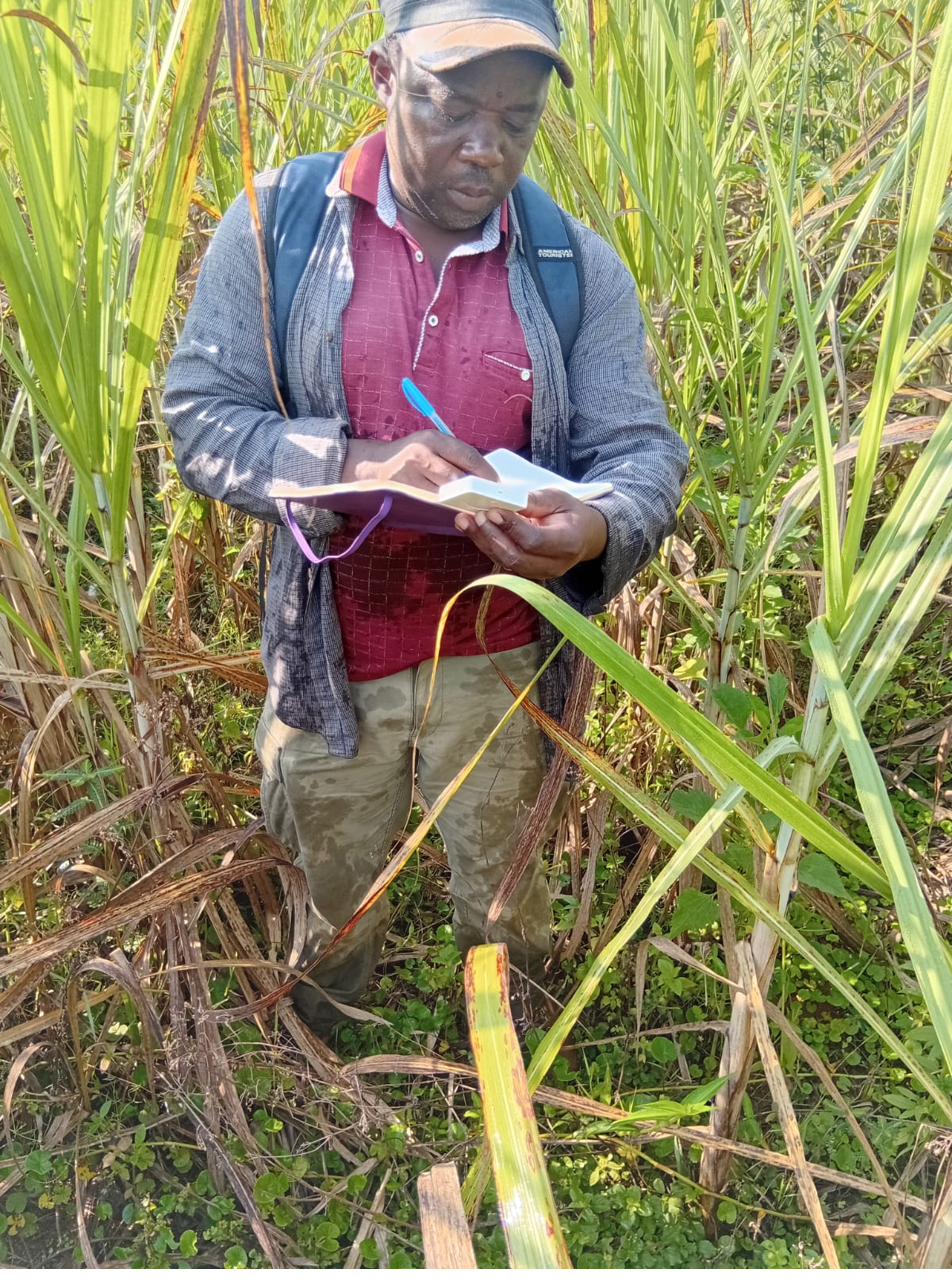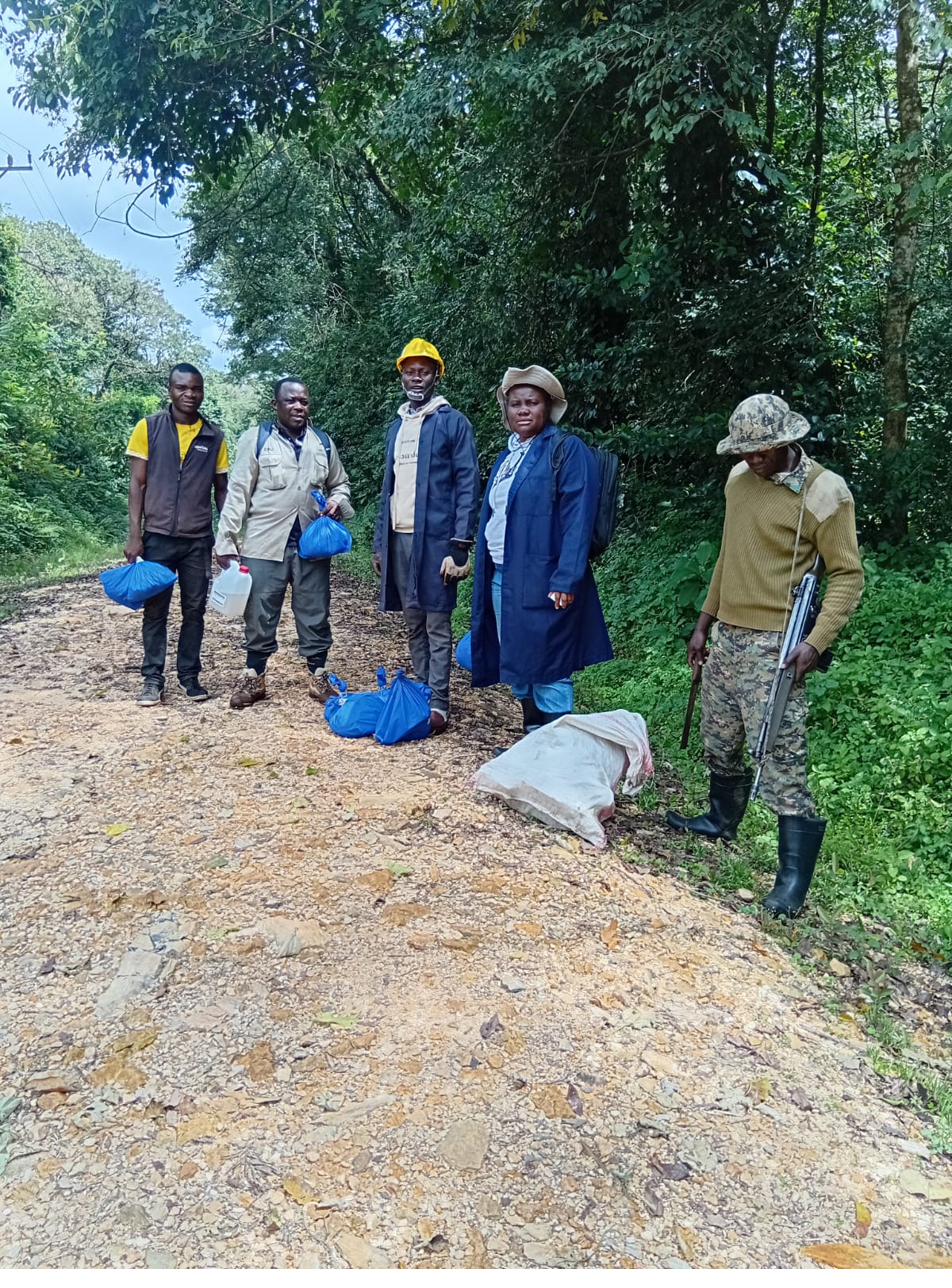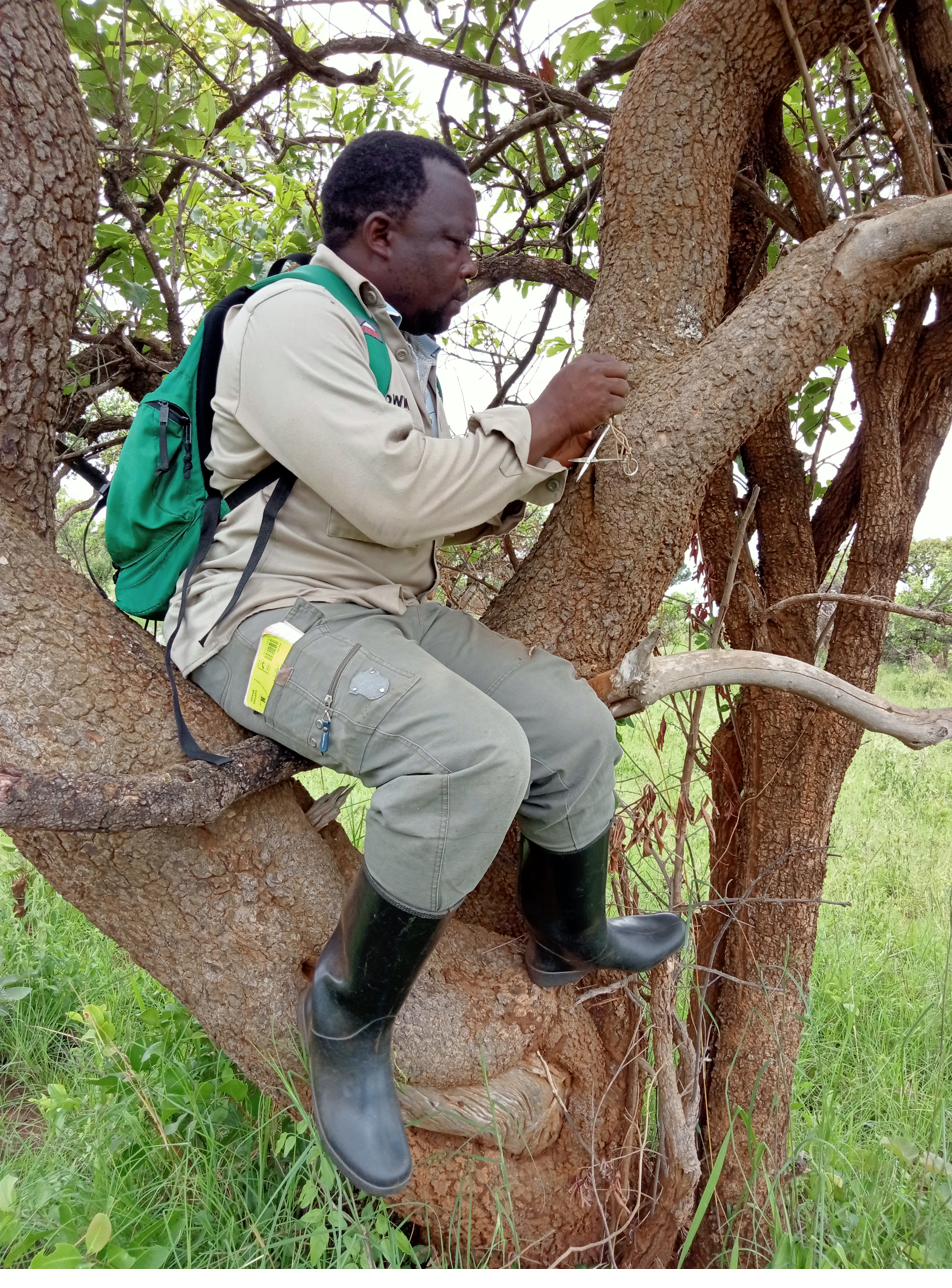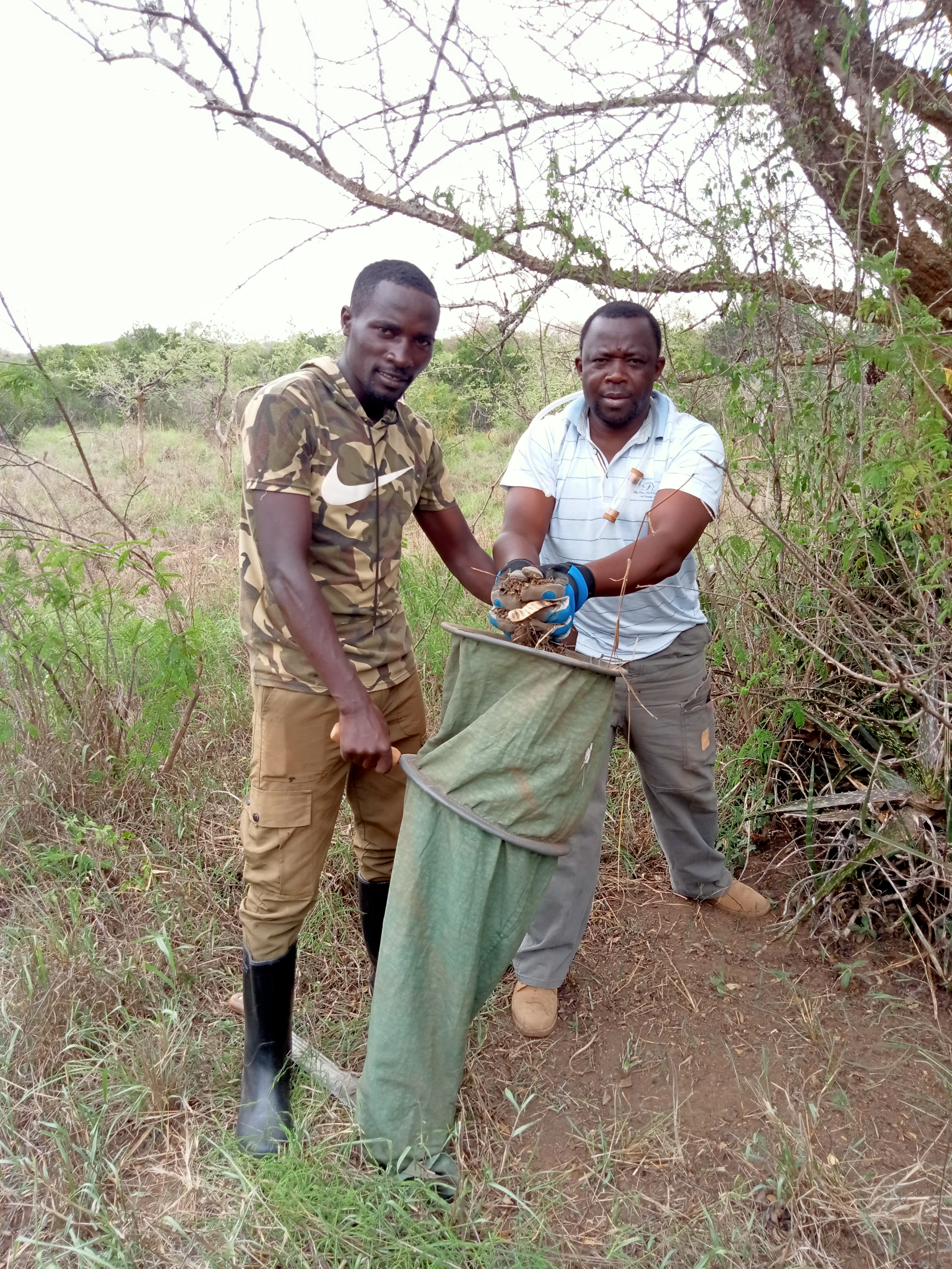
From coastal forests to highland canopies, Ant Lab Kenya documents the country's remarkable ant fauna — building the systematic, taxonomic and ecological foundation needed to protect it.
Ant Lab Kenya
Ants are among the most ecologically dominant and diverse insect groups, playing critical roles in soil turnover, nutrient cycling, seed dispersal and predation. In a country as environmentally heterogeneous as Kenya — ranging from coastal forests and savannas to highland ecosystems — ant diversity is expected to be both rich and regionally distinctive. Yet much of it remains under-documented, with many species still to be formally recorded or studied.
Systematic sampling, museum collections and localized surveys serve as repositories of species data — enabling taxonomic identification, comparison across regions, and long-term monitoring of ecological change. These collections preserve physical specimens and generate valuable metadata on distribution, habitat associations and temporal patterns.
As a catalyst for documenting Kenya's ant fauna, this work supports the discovery of new or previously unrecorded species, refines understanding of species distributions, and contributes to broader biodiversity assessments. It also underpins conservation planning by identifying areas of high endemism or ecological importance. Strengthening these collections — through coordinated research, standardized sampling and integration with digital databases — is essential to ensuring Kenya's rich ant diversity is comprehensively documented and conserved.
About
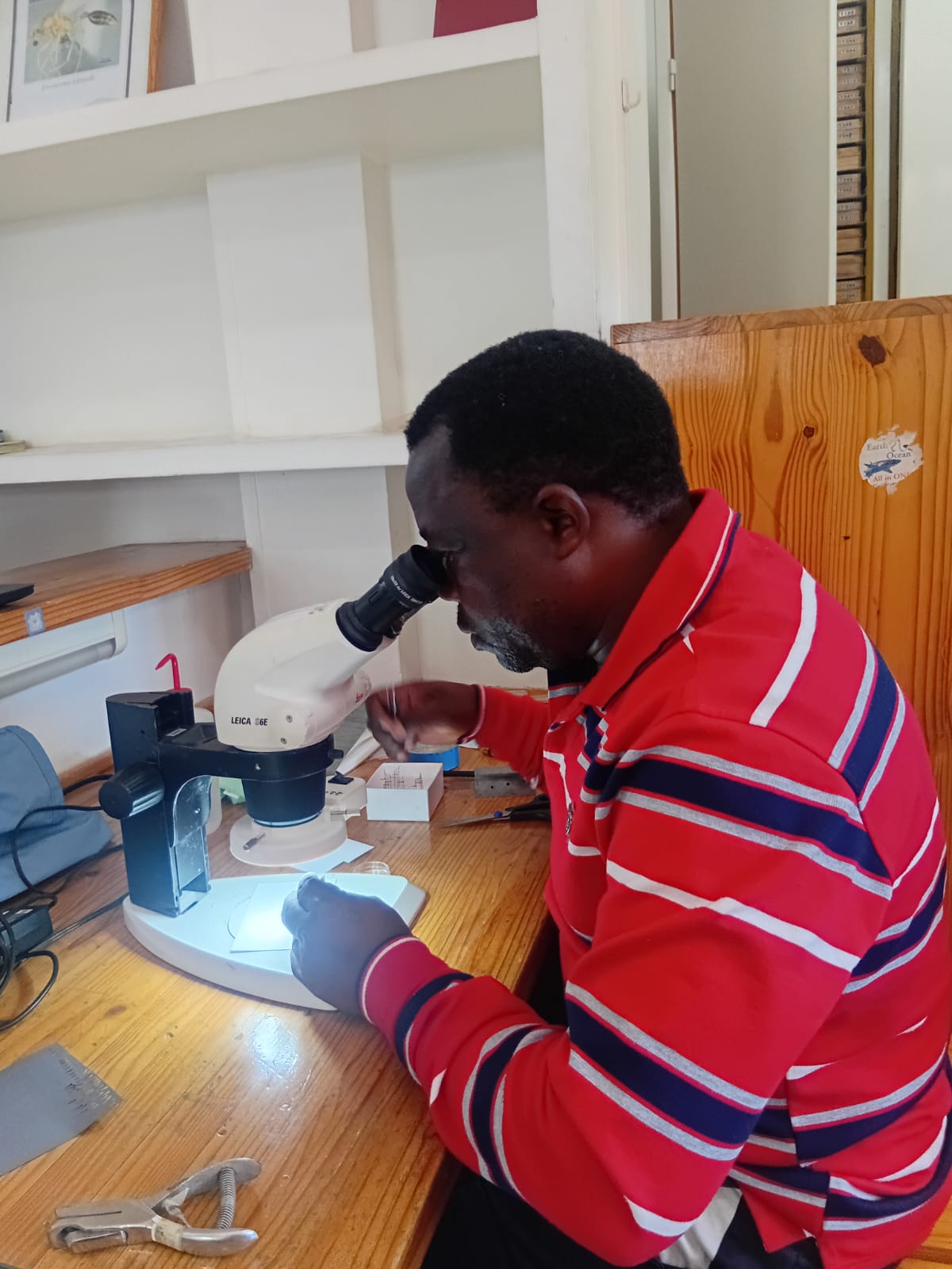
Meet the myrmecologistA leading myrmecologist in Kenya, Jairus specializes in ant systematics, taxonomic inventories, ecology, and biodiversity assessment of Kenyan ants (Formicidae) — with a particular focus on the integrative revision of selected Dorylus species.
His work bridges scientific research and real-world application, supporting biodiversity conservation, ecosystem management and environmental education. Jairus collaborates with researchers, institutions and organizations to generate insights that inform policy, strengthen ecological resilience, and promote sustainable land-use practices.
Driven by curiosity and a commitment to excellence, he continues to uncover the complex dynamics of ant species and their environments, establishing himself as a trusted authority within Kenya's myrmecological and broader scientific community.
Field & Lab
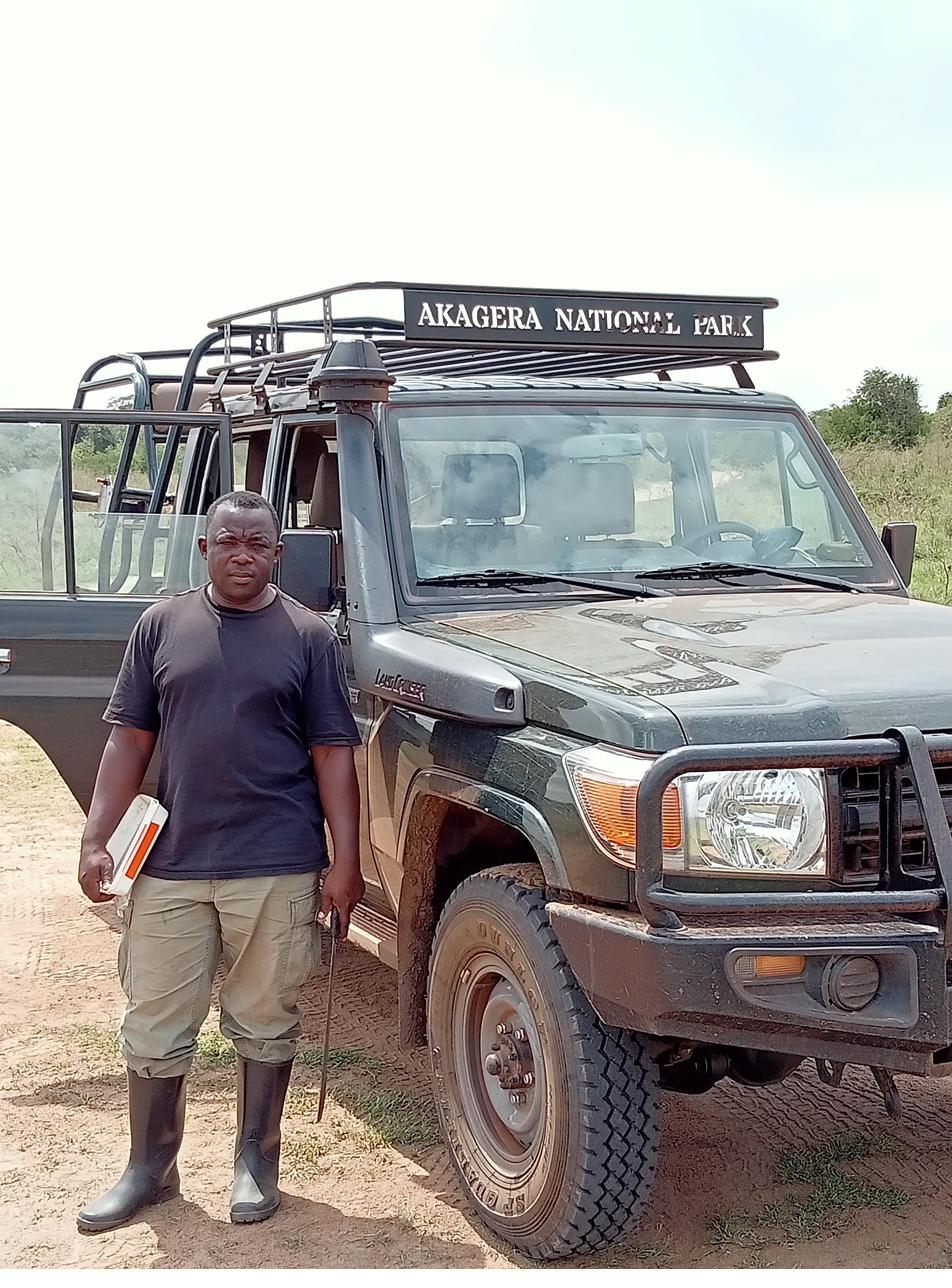
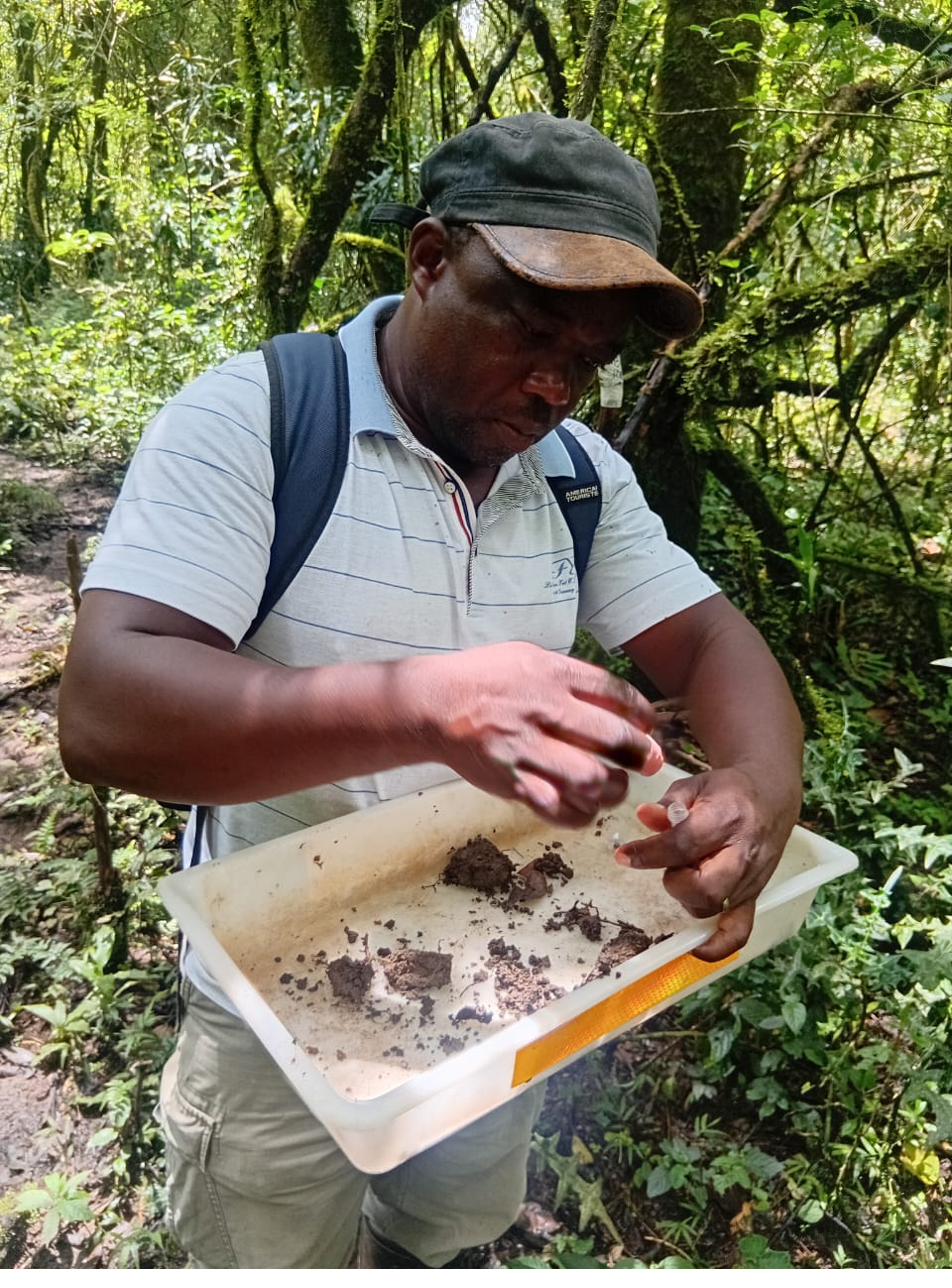
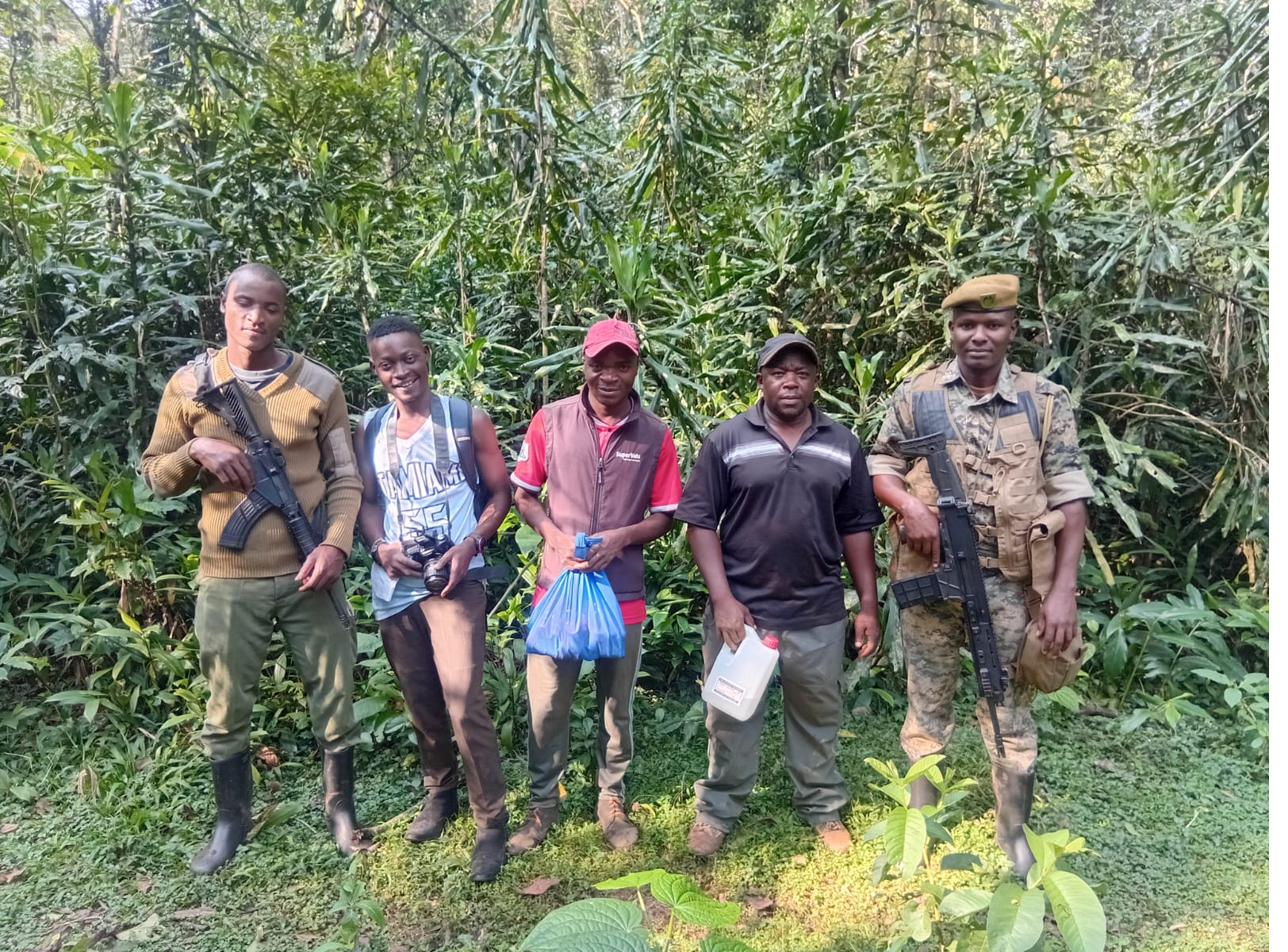
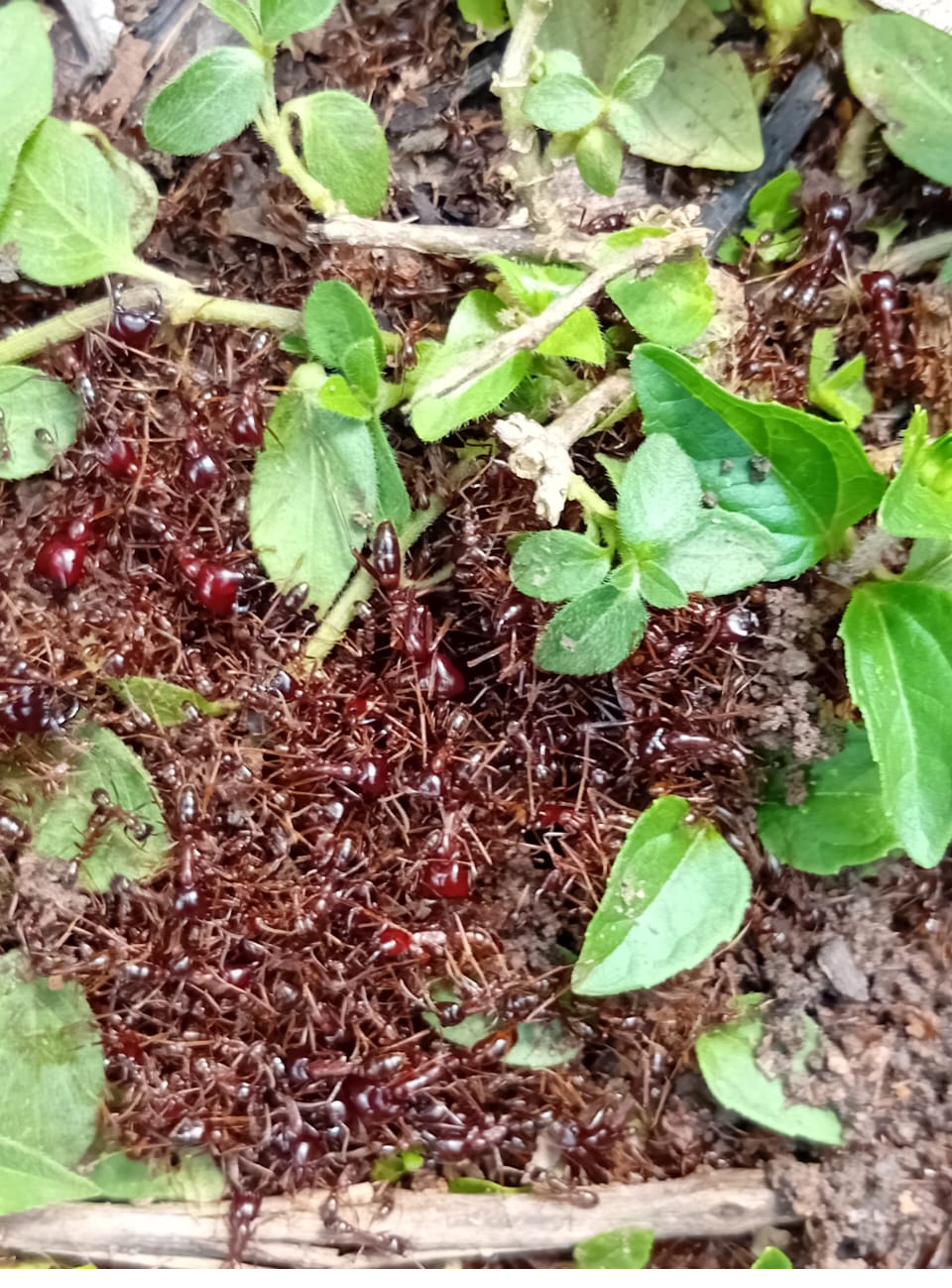
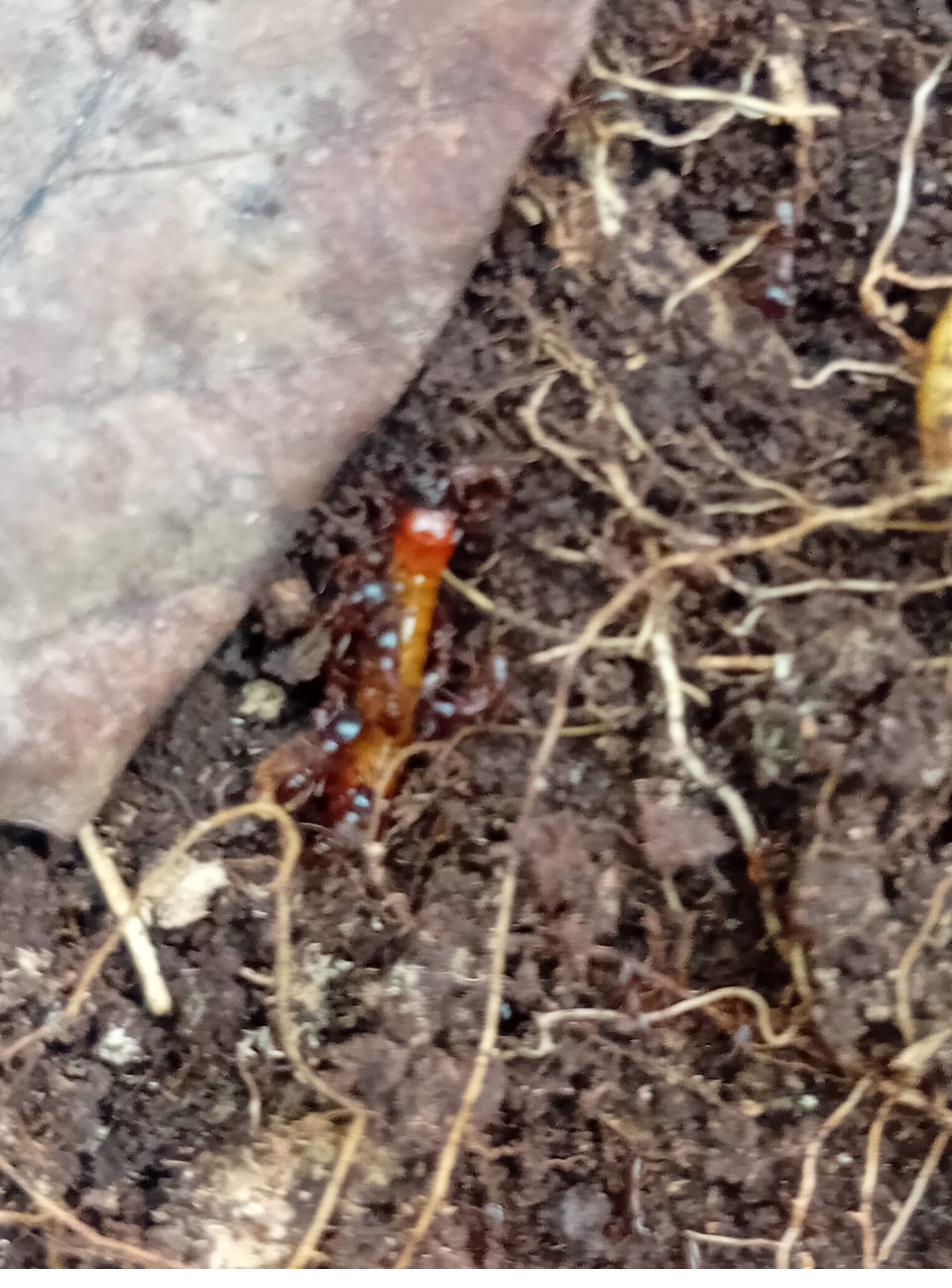
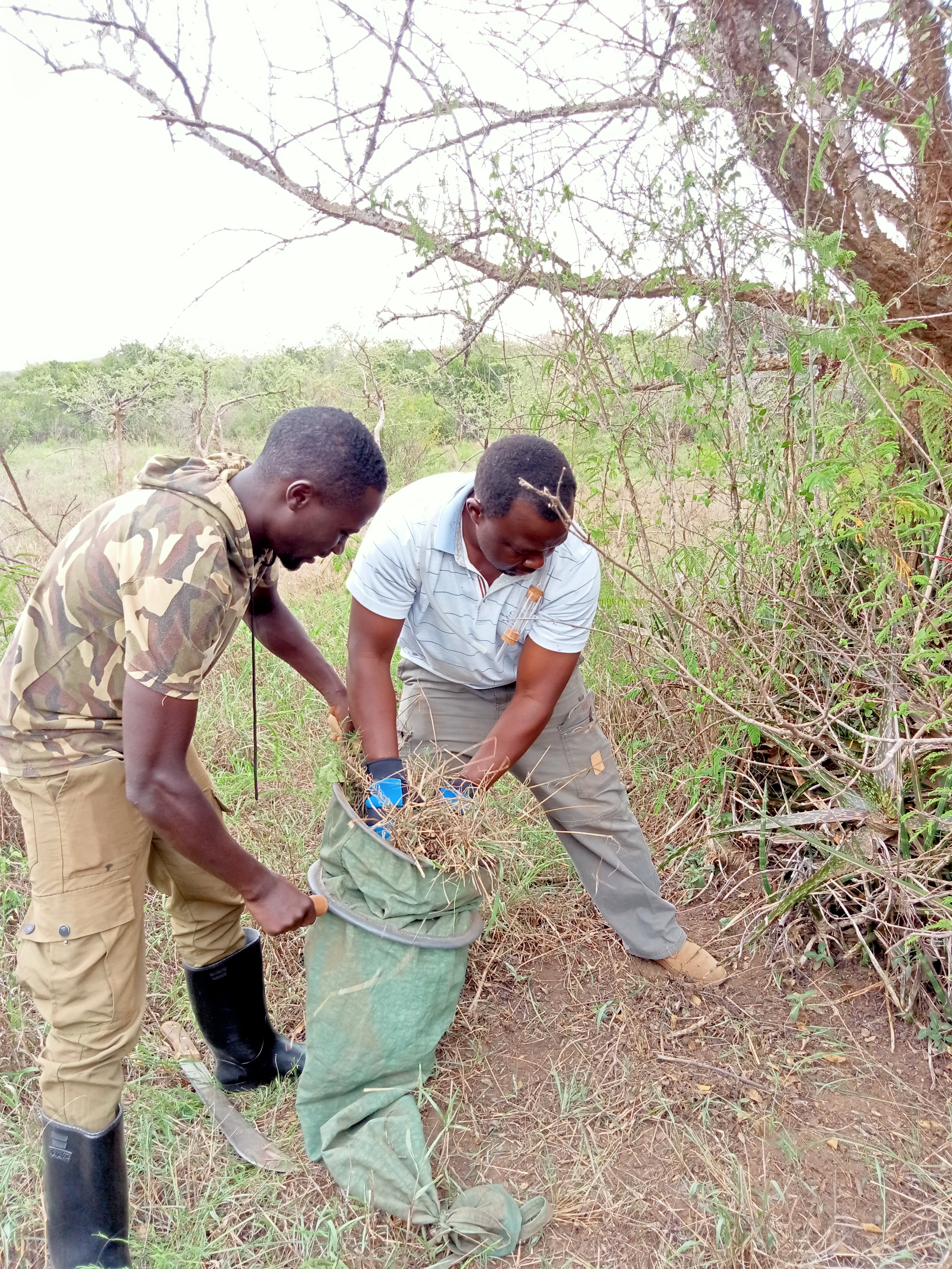
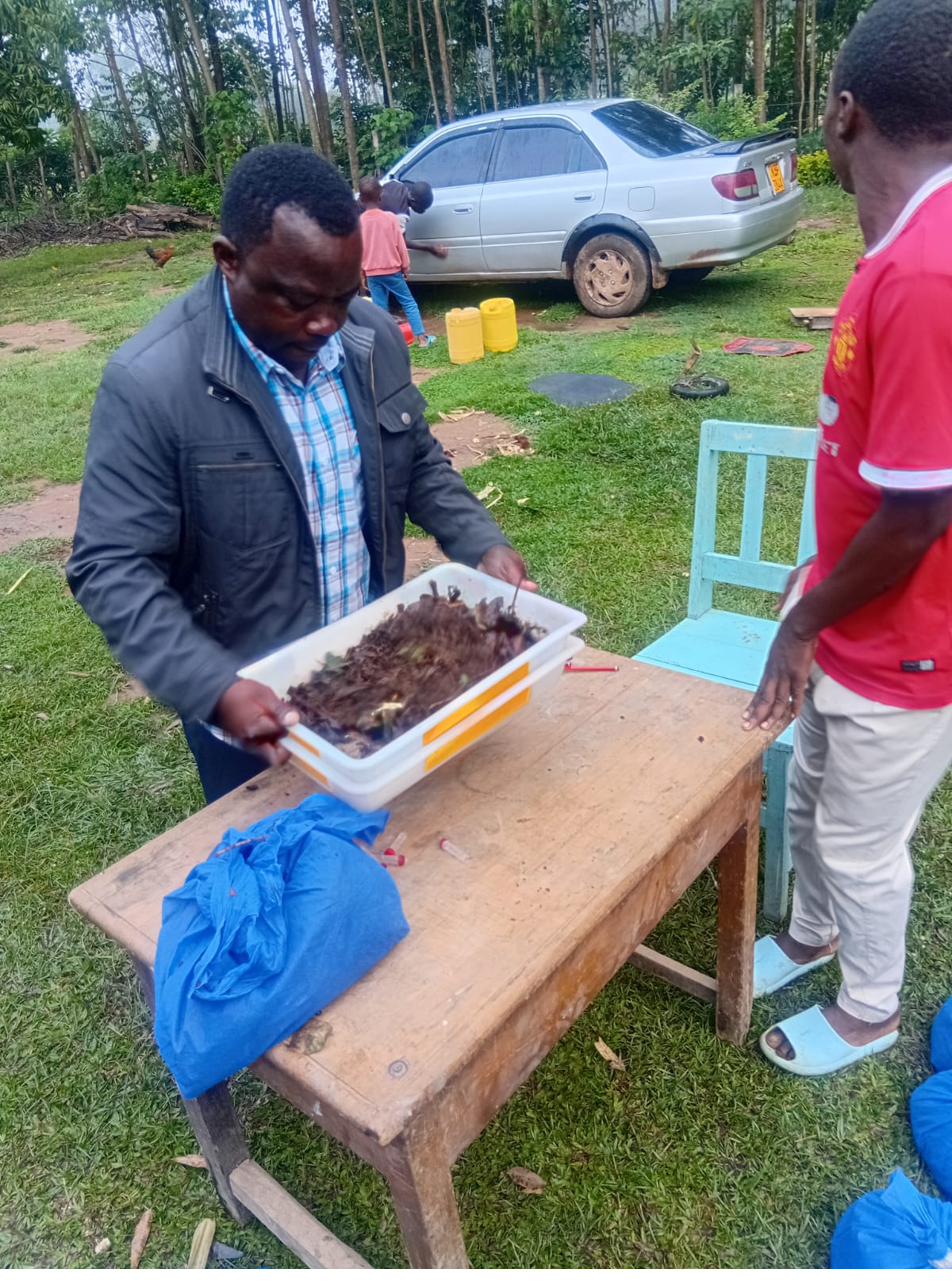
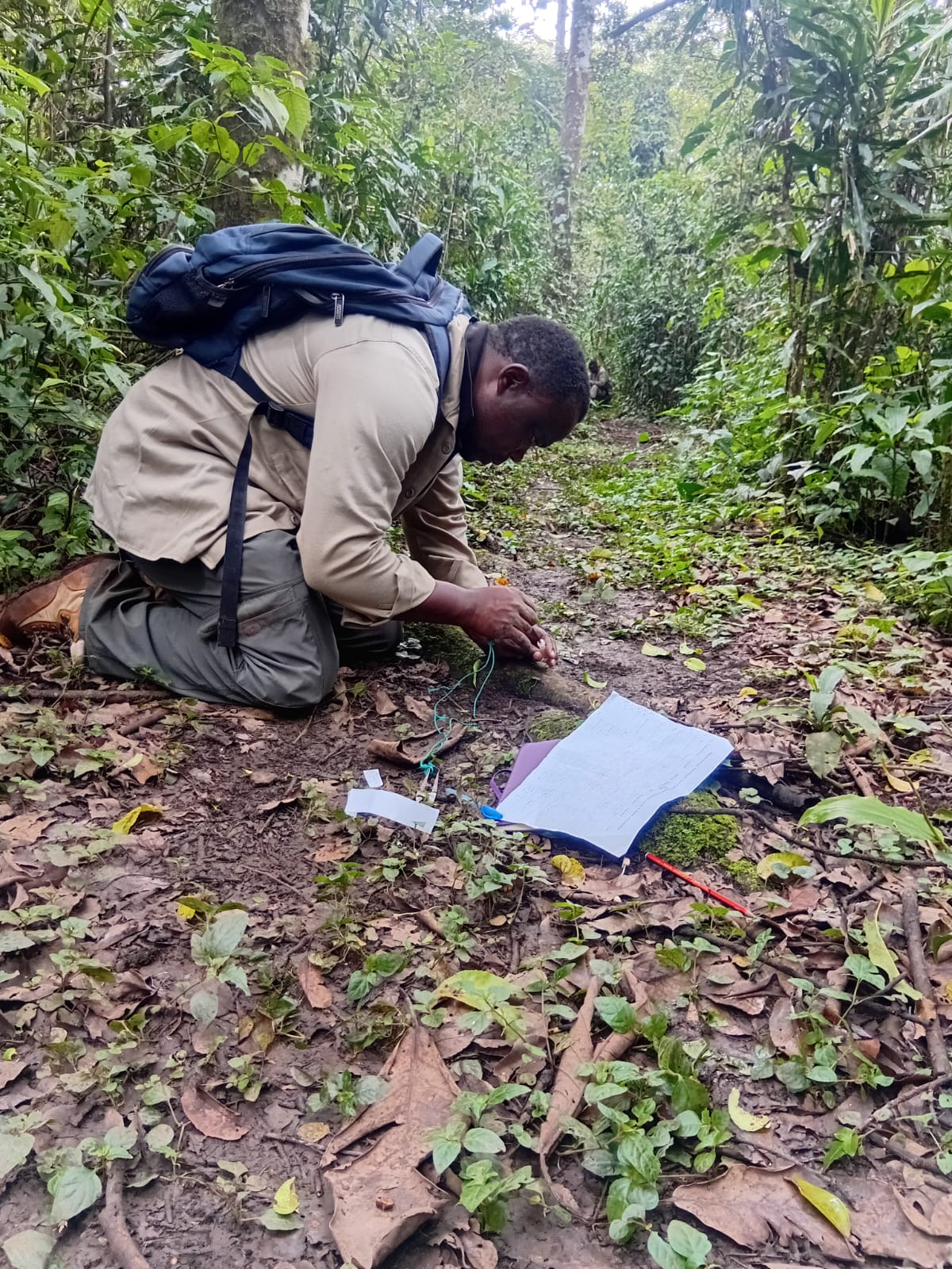
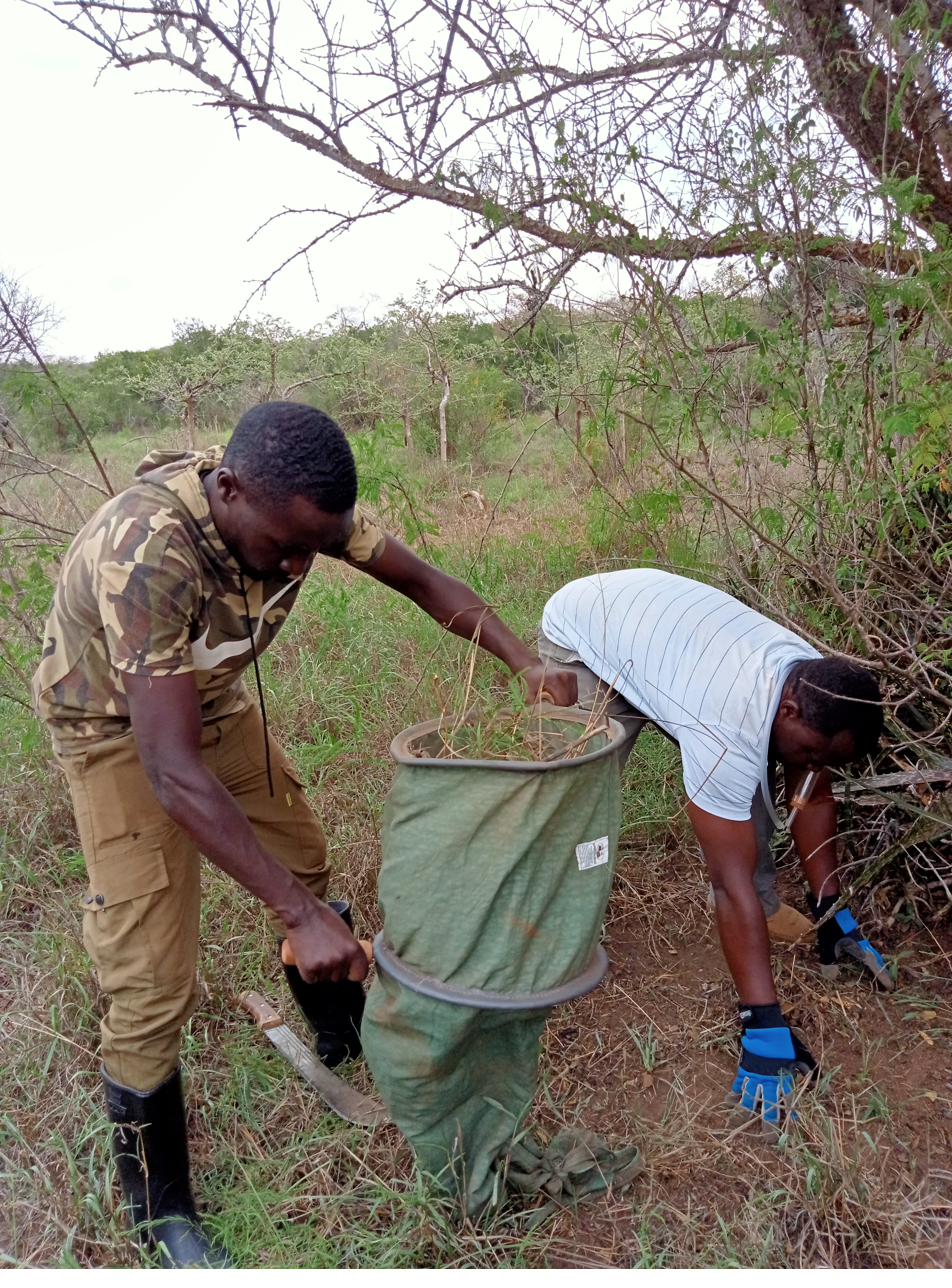
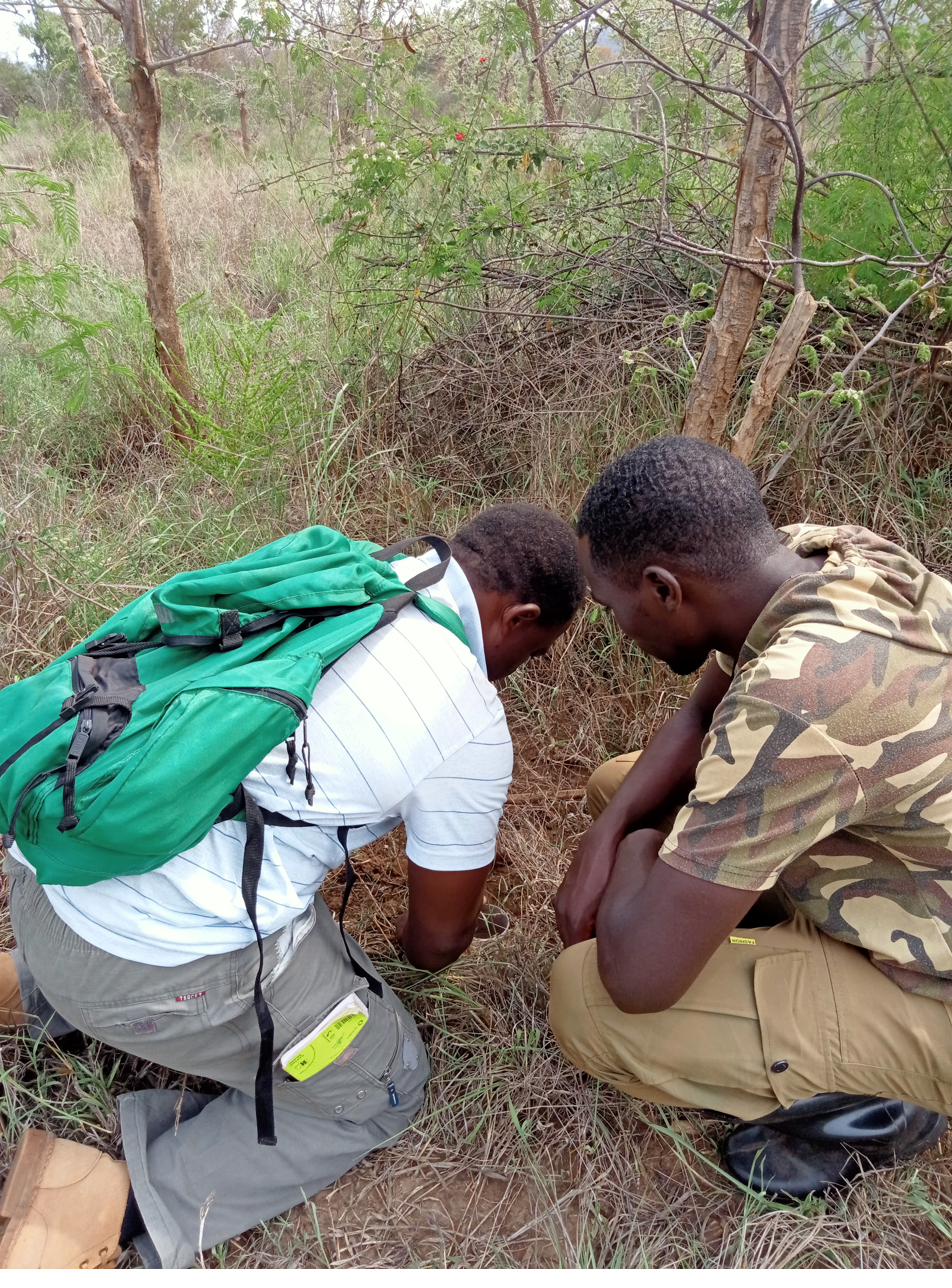
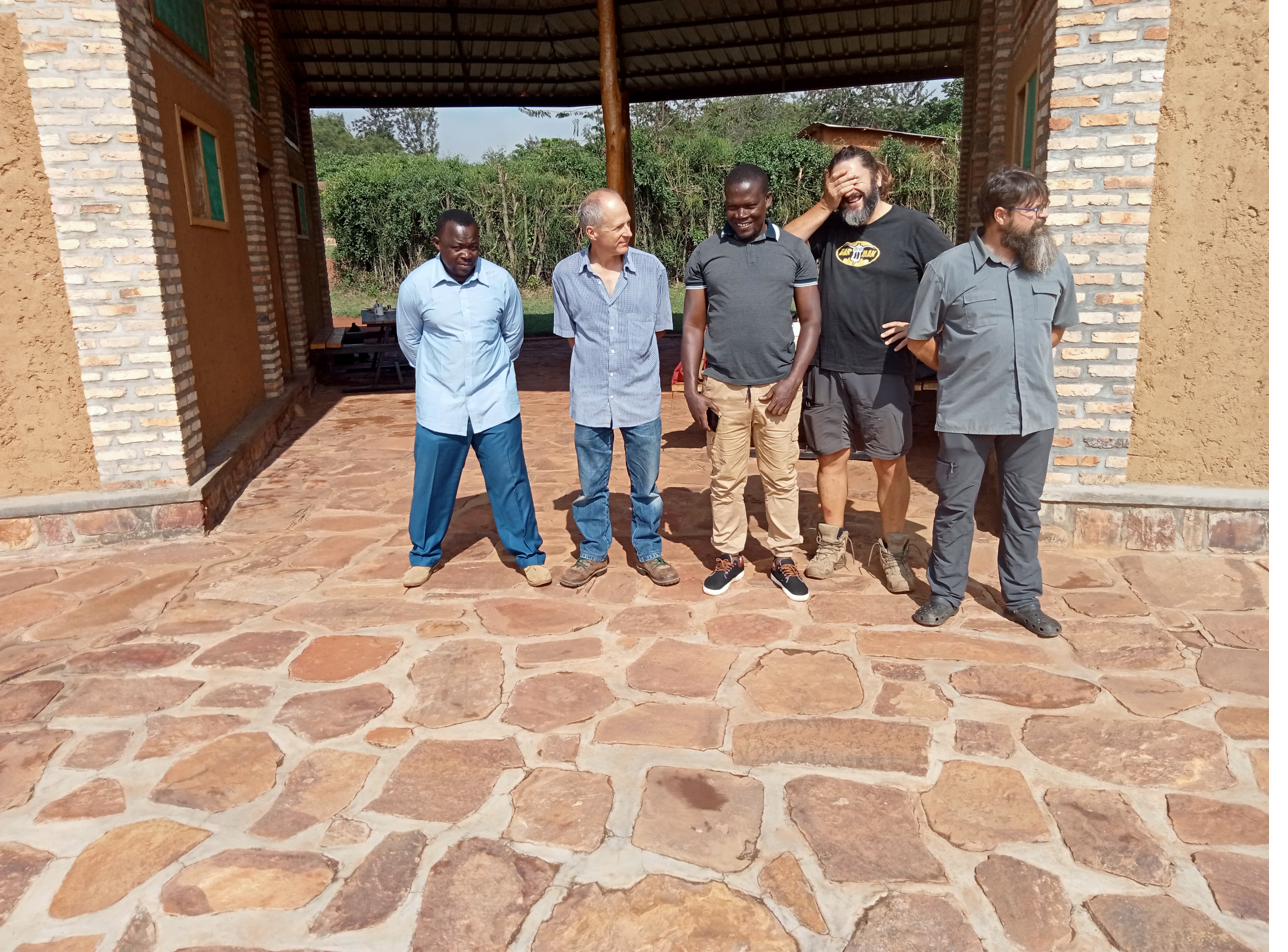
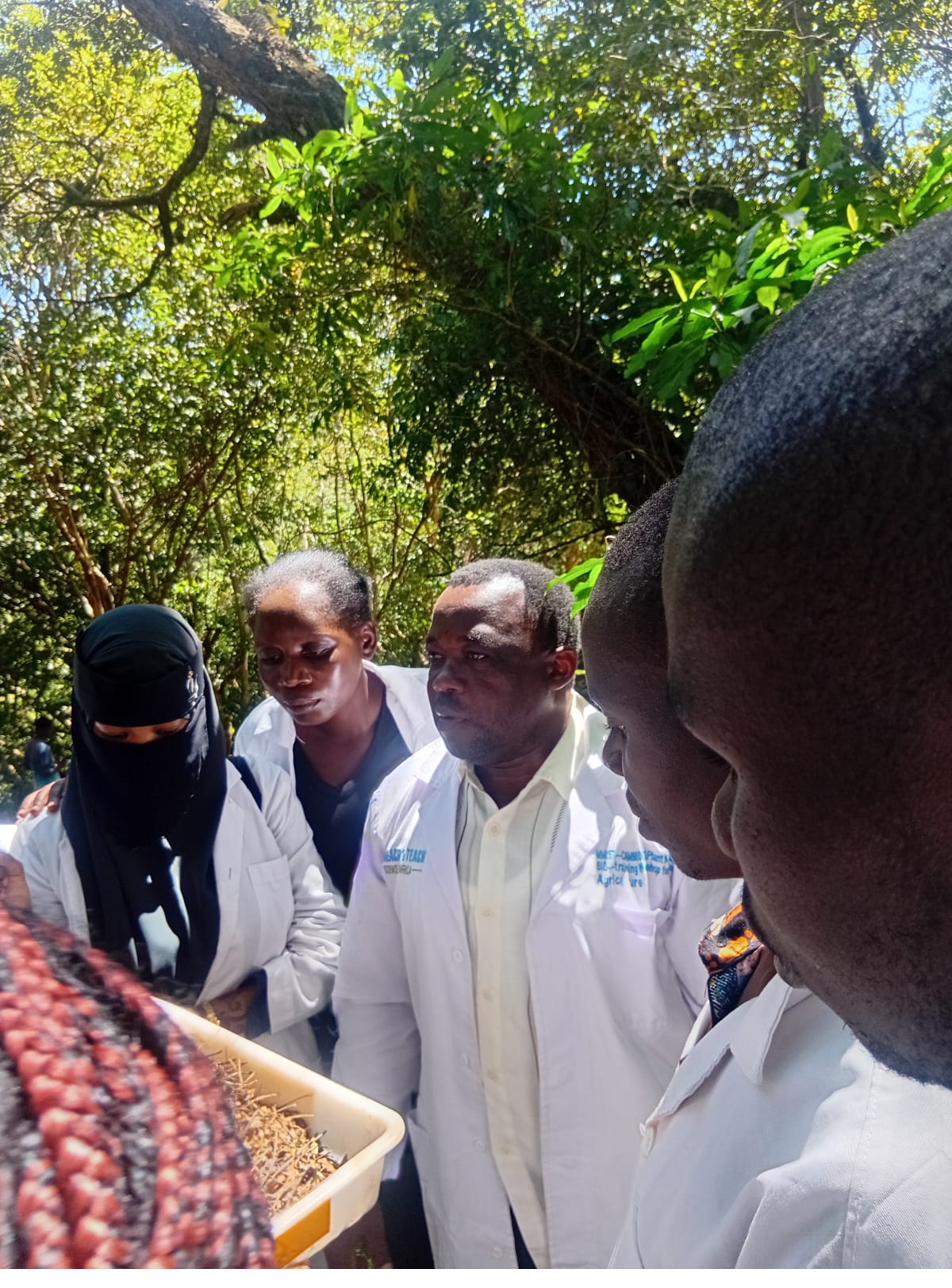
Sampling expeditions, Winkler extractions, microscopy sessions, collaborations and the species themselves — a window into the everyday work of Ant Lab Kenya.


Get in touch
Whether you're a researcher, conservation organization, educator or institution — we'd love to hear from you. Reach out to discuss collaborations, surveys, training, or biodiversity consultancy.
Contact Jairus →or email directly: jairusanale@gmail.com